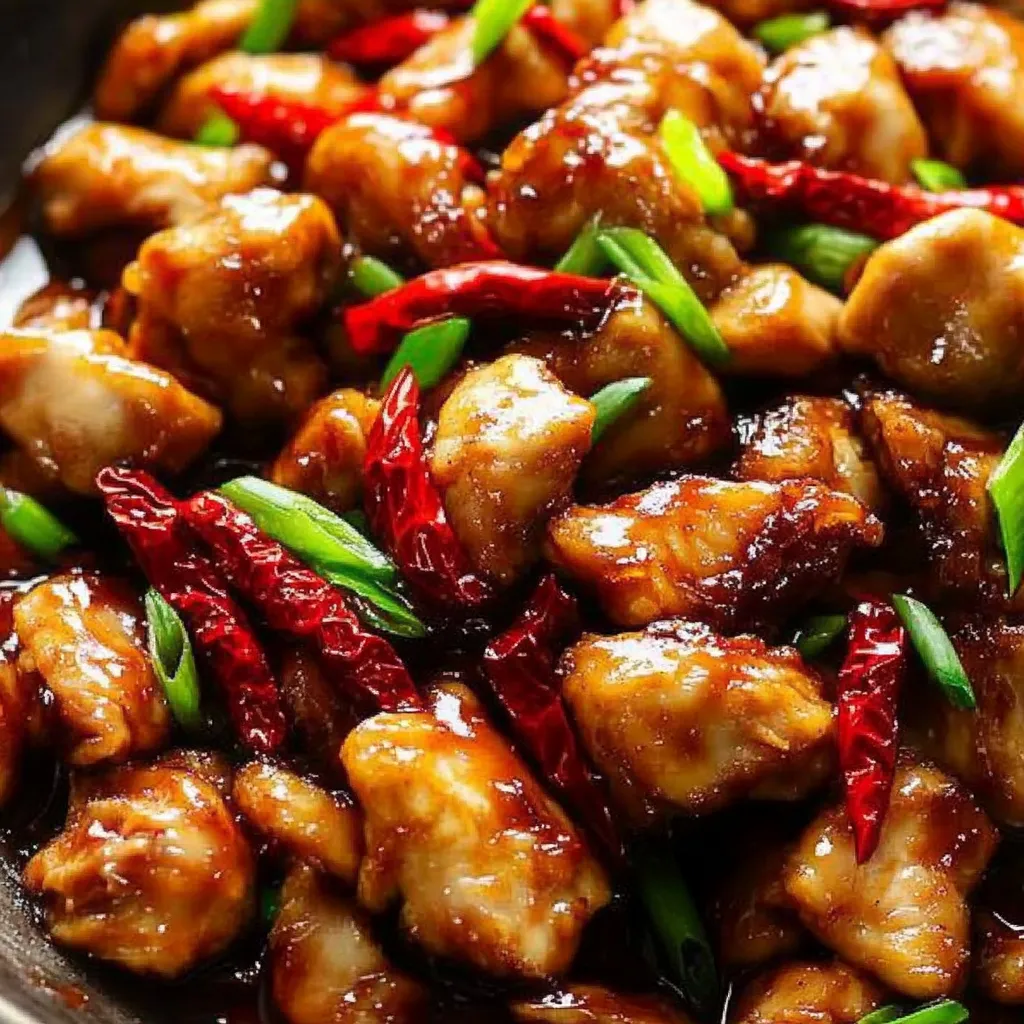
Mastering Crispy Szechuan Chicken: The Secret to Perfect Double-Frying
If your experience with Szechuan Chicken is limited to the often-greasy, overly sweet, and vaguely spicy versions found at mall food courts, prepare for a revelation. While those can hit a nostalgic spot, they typically miss the incredible depth, vibrant heat, and signature mouth-tingling sensation that defines truly authentic Szechuan cuisine. More importantly, they often lack the unparalleled crispiness that elevates a good Szechuan chicken dish to an extraordinary one.
Homemade Szechuan Chicken, prepared with care and a few expert techniques, is a game-changer. It’s a dish that "slaps harder than a chili pepper to the face" – in the best possible way. This isn't just about spice; it's a symphony of salty, sweet, tangy, and that unmistakable, addictive "ma la" tingle. And the secret to achieving that ultimate, shatteringly crisp exterior, which cradles tender, juicy chicken within? It all comes down to the art of double-frying.
The Heart of Szechuan Flavor: Beyond Just Spice
The allure of Szechuan cuisine lies in its complex flavor profile, far beyond mere heat. It’s a carefully orchestrated balance that engages multiple senses, making each bite an adventure. Understanding these foundational elements is crucial to mastering the dish.
The Tingle Factor: Real Szechuan Peppercorns
This is arguably the most distinctive component of Szechuan food. Real Szechuan peppercorns (花椒, huājiāo) don't just add heat; they impart a unique citrusy, floral aroma and, most famously, a "ma la" sensation – a numbing, tingling buzz on the lips and tongue. This isn't found in any other cuisine and is what makes Szechuan chicken so utterly addictive. Many recipes might call for pre-ground Szechuan pepper, but for maximum impact, toasting whole peppercorns in a dry pan until fragrant, then grinding them fresh, is a complete game-changer. This simple step unlocks their full aromatic and numbing potential, transforming your dish from good to genuinely authentic.
Aromatic Foundation: Garlic, Ginger, and Scallions
Like many Chinese dishes, Szechuan chicken relies heavily on a trio of aromatics to build its flavor base. Fresh garlic, ginger, and scallions are sautéed to release their fragrant oils, creating a pungent and warming foundation for the sauce and the other ingredients. These aren't just background notes; they are integral to the dish's vibrant character, adding sharpness and freshness that balances the richness and heat.
Crafting the Perfect Szechuan Sauce
The sauce is where all the elements converge. A truly great Szechuan chicken sauce hits every note: salty from soy sauce (light soy for seasoning, dark soy for color in the overall dish, but not for marinating the chicken itself), sweet from sugar, tangy from rice vinegar, and a robust heat from dried chilies, chili oil, and especially doubanjiang (Szechuan broad bean paste). Doubanjiang is a fermented chili bean paste that provides umami depth, a savory richness, and a foundational spice that’s hard to replicate. Balancing these flavors is key – a little tweaking and tasting will help you achieve your perfect blend.
Choosing Your Chicken: The Foundation of Tenderness
While some versions might use chicken breast, for an optimal Szechuan Chicken experience, boneless, skin-on chicken thighs are the undisputed champion. Here’s why:
- Moisture and Tenderness: Chicken thighs have a higher fat content than breast meat, which keeps them incredibly juicy and tender even after frying. This prevents the chicken from drying out, a common pitfall when deep-frying.
- Texture: The natural texture of thigh meat holds up better to the double-frying process, resulting in a more satisfying bite.
- Flavor: Thigh meat simply boasts more inherent flavor, contributing to a richer final dish.
Prep Secrets for Optimal Crispiness
Once you’ve chosen your chicken, proper preparation is paramount. Cut the deboned chicken meat into thumb-sized cubes – not too small, as they will shrink slightly during frying. A critical step often overlooked: ensure the chicken is very dry before proceeding. Patting it thoroughly with paper towels removes excess moisture, which is the enemy of crispiness. Moisture causes oil to splutter and prevents a proper crust from forming.
The Double-Frying Revelation: Unlocking Unparalleled Crispiness
This is the core technique that transforms Szechuan chicken from simply good to truly exceptional. Double-frying achieves an incredibly crispy exterior while keeping the chicken inside perfectly cooked and juicy. It’s a restaurant secret you can easily master at home.
Marination: Flavor First, Then Crisp
Before any frying commences, the chicken needs to be marinated to infuse it with flavor. Combine your dried chicken pieces with salt, light soy sauce, Shaoxing wine (a Chinese rice wine that adds depth), and ground white pepper. For the perfect crisp, here's a crucial tip from traditional methods: add only about half an egg (or an egg white) to the marinade. Too much egg can make the coating less crispy. Allow the chicken to absorb these seasonings thoroughly. Crucially, do not add any cornstarch at this stage, as it can hinder the seasoning absorption.
The Cornstarch Coating: Your Crispy Shield
Just before deep-frying, coat the marinated chicken with a generous amount of cornstarch – about two large tablespoons for an average batch. Cornstarch is your secret weapon for crispiness. When fried, it forms a light, airy, and incredibly crunchy crust that locks in moisture and creates that coveted shatter. Ensure each piece is evenly coated, shaking off any excess.
First Fry: Setting the Stage (Low Temperature)
Heat your vegetable oil (or another neutral high-smoke-point oil) in a wok or deep pot over medium heat. When the oil is hot but not smoking (around 160°C/325°F), carefully add the coated chicken pieces. Do not overcrowd the wok; fry in batches if necessary. Stir constantly to prevent them from sticking together. The goal of this first fry is to cook the chicken through, firm up the coating, and develop a light, pale brown color. Remove the chicken from the oil as soon as it reaches this stage and drain it in a colander or on paper towels. Let it rest for a few minutes to allow the temperature to drop slightly.
Second Fry: The Golden Crisp Finish (High Temperature)
This is where the magic happens. After the chicken has rested for a few minutes, increase the oil temperature significantly, to about 190°C/375°F. Return the partially fried chicken to the now much hotter oil. Be prepared for some spluttering due to the higher temperature. This second fry is quick but intense. It rapidly crisps the exterior, drives out any remaining surface moisture, and turns the chicken a beautiful golden brown. The contrast between the initial lower-temperature cook and this high-heat blast is what creates that extraordinary crunch. Once golden and perfectly crispy, remove the chicken immediately and drain thoroughly on paper towels.
Bringing It All Together: A Symphony of Texture and Taste
With your perfectly double-fried chicken ready, the final steps are about marrying the textures and flavors into a harmonious dish. In a clean wok or pan, heat a small amount of oil. Sauté your fresh ginger, garlic, and a generous amount of dried chilies until fragrant. This is where you can add bell peppers for color and a touch of fresh crunch, if desired. Incorporate the doubanjiang and any other sauce ingredients, letting them cook briefly to deepen their flavors. For those eager to whip up a fantastic Szechuan meal in record time, check out our guide on Quick Szechuan Chicken: Homemade Tingly Heat in Just 30 Minutes.
Finally, toss your crispy Szechuan chicken pieces into the sauce, coating them evenly and quickly. The goal is to get the chicken coated and warm without letting it sit in the sauce so long that it loses its hard-won crispiness. Garnish with fresh scallions and perhaps some toasted peanuts for an added layer of texture and flavor.
To dive deeper into the nuanced spices that define this cuisine, explore our article on Authentic Szechuan Chicken: Spicy, Tingly Heat from Real Peppercorns.
Mastering Szechuan chicken at home is an incredibly rewarding culinary journey. By understanding the critical role of fresh Szechuan peppercorns, choosing the right cut of chicken, and embracing the indispensable technique of double-frying, you can create a dish that rivals any restaurant. This isn't just a meal; it's an experience – bold, punchy, spicy, tingly, and with a crispiness that will have your taste buds singing. So, gather your ingredients, fire up your wok, and prepare to impress yourself and your guests with the ultimate homemade Szechuan Chicken.
