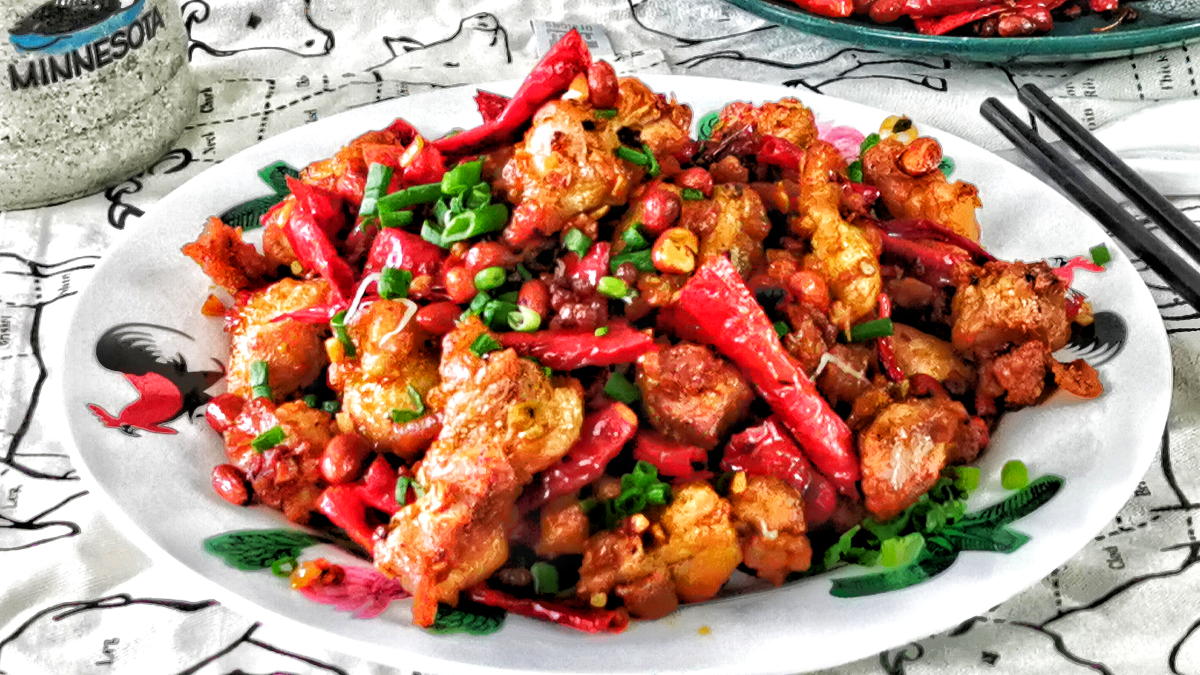
Unveiling Authentic Szechuan Chicken: Beyond the Takeout Counter
Forget everything you thought you knew about Szechuan chicken if your experience is limited to sugary, sticky mall food court versions. While those can be a guilty pleasure, they often miss the very soul of authentic Szechuan chicken: the exhilarating, complex symphony of flavors known as ma la. This isn't just about heat; it's about a distinctive spicy-and-numbing sensation that dances on your palate, a hallmark of cuisine from China's Szechuan province.
Homemade Szechuan chicken, when done right, is a revelation. It’s bold, intensely flavorful, and delivers that signature tingly heat that’s utterly addictive. And despite its gourmet appeal, it’s surprisingly quick to prepare, often coming together faster than ordering takeout. This guide will walk you through crafting a version that will "slap harder than a chili pepper to the face," as one enthusiast put it – in the best possible way, of course.
Understanding the Soul of Szechuan Chicken: Ma La Explained
The magic of authentic Szechuan cuisine lies in its masterful balance of flavors, with ma la at its core. Ma (麻) translates to "numbing," and la (辣) means "spicy." This distinctive sensation comes from one irreplaceable ingredient: Szechuan peppercorns (花椒, huājiāo).
The Power of Szechuan Peppercorns
Unlike regular black peppercorns or chilies that only provide heat, Szechuan peppercorns contain hydroxy-alpha sanshool compounds that interact with nerve endings in your lips and mouth, creating a unique tingling, buzzing, and even slightly numbing sensation. This isn't just a gimmick; it enhances and complements the chili heat, allowing other flavors to shine through.
For the truest experience, always use whole Szechuan peppercorns and toast them lightly before grinding or adding to your dish. This awakens their aromatic oils, making their "ma" effect much more pronounced. Pre-ground versions often lack this potency and depth. You'll find them in Asian grocery stores, often available in red (more common, citrusy notes) and green varieties (more intense numbing, brighter aroma). Keep them in an airtight jar in your pantry; once you taste the difference, you'll want them on hand weekly!
A Symphony of Flavors: Beyond Ma La
While ma la is central, Szechuan chicken is also characterized by a rich tapestry of other tastes: salty, sweet, tangy, and deeply savory. A truly great Szechuan sauce hits all these notes, ensuring a complex, well-rounded dish that keeps you coming back for more. It's this intricate balance that elevates it far beyond a simple "spicy chicken" dish.
The Art of Crispy Chicken: From Prep to Double-Frying Perfection
One of the most satisfying elements of a stellar Szechuan chicken dish is the texture of the meat itself: tender and juicy on the inside, with an irresistible crisp exterior. Achieving this requires careful preparation, starting with your choice of chicken.
Selecting and Preparing Your Chicken
- Chicken Thighs are King: While traditional Szechuan recipes might use bone-in, skin-on chicken cut into cubes, most home cooks find boneless, skinless chicken thighs far more convenient and enjoyable. Thigh meat is naturally richer in fat than breast meat, which ensures it stays tender and juicy even after frying, offering superior texture and flavor. Cut your deboned thighs into roughly thumb-sized cubes; remember they will shrink slightly during cooking, so don't make them too small.
- The Dry Secret: A crucial step for maximum crispiness is ensuring your chicken is thoroughly dry before marinating. After washing, pat the pieces rigorously with paper towels. Excess moisture is the enemy of crispiness!
The Perfect Marinade and Coating
The marinade infuses the chicken with flavor and helps tenderize it, while the coating delivers that coveted crunch.
- Initial Flavor Infusion: Marinate your chicken pieces with a blend of salt, light soy sauce (for seasoning, not color), Shaoxing wine (for aroma and tenderizing), ground white pepper, and half an egg. The egg helps bind the coating later and provides a slight richness, but resist the urge to add too much, as it can hinder crispiness. Allow the meat to absorb these flavors for at least 15-20 minutes.
- The Crispy Cornstarch Coat: After the initial marinade has absorbed, it's time to add the cornstarch. Two generous tablespoons should suffice for a batch of chicken thighs. Toss well until each piece is lightly and evenly coated. This cornstarch layer is vital; it creates a protective barrier that crisps up beautifully when fried.
- Avoid Dark Soy Sauce: Skip dark soy sauce in the marinade. While excellent for adding deep color to sauces, it can cause the chicken to look too dark, almost burnt, after deep-frying.
Mastering the Double-Fry Technique
The ultimate secret to truly crispy Szechuan chicken that stays crispy? Double-frying. This method might seem like an extra step, but it’s absolutely worth it and foundational to mastering crispy Szechuan chicken.
- First Fry (Low Temperature): Heat your vegetable oil in a wok or deep pot to a medium-low temperature (around 160-170°C / 325-340°F). Add the chicken pieces in batches, stirring gently to prevent sticking. Fry until they are lightly golden brown and mostly cooked through. Remove the chicken and drain it in a colander or on paper towels. This first fry cooks the chicken and expels initial moisture.
- Second Fry (High Temperature): Let the chicken rest for a few minutes while you increase the oil temperature significantly to 190°C / 375°F. Return the chicken to the hot oil. This time, the oil will splutter as residual moisture is rapidly driven out. Fry for just 1-2 minutes until the chicken turns a rich, golden brown and is wonderfully crisp. Immediately remove and drain on paper towels. This high-temperature, short second fry is what creates that perfect, enduring crunch.
Crafting the Unforgettable Sauce: Key Ingredients & Balance
With perfectly crispy chicken ready, the next step is to infuse it with the rich, aromatic sauce that defines authentic Szechuan chicken. This sauce isn't just spicy; it's a complex blend of bold flavors.
Essential Sauce Components
A well-balanced Szechuan sauce requires a few key players:
- Dried Chilies: You'll need plenty! Dried chilies, often varieties like Facing Heaven chilies, provide the core heat. You can adjust the quantity to your heat preference, and even deseed some for less intense spice. Frying them briefly in oil releases their aroma and heat.
- Doubanjiang (Fermented Broad Bean Paste): This is a non-negotiable ingredient for authentic Szechuan flavor. Doubanjiang is a deeply savory, spicy, and umami-rich paste that forms the backbone of many Szechuan dishes. Look for Pixian doubanjiang for the best quality. It adds a crucial layer of fermented complexity that cannot be replicated.
- Chili Oil: Homemade or good quality store-bought chili oil contributes a rich, smoky heat and beautiful color.
- Aromatic Trio: Generous amounts of fresh garlic, ginger, and scallions (the holy trinity of Chinese cooking) are sautéed to create an incredibly fragrant base for the sauce.
- Sweet, Salty, Tangy Balance: The sauce is typically rounded out with light soy sauce (for salt and umami), a touch of sugar (to balance the heat and acidity), and Chinese black vinegar or rice vinegar (for a bright, tangy counterpoint). Shaoxing wine is also often included for depth of flavor.
Bringing it All Together
After your chicken is fried, you'll quickly stir-fry the aromatics, dried chilies, and Szechuan peppercorns until fragrant. Then, you'll add the doubanjiang, followed by the rest of your sauce ingredients. The sauce cooks down briefly to thicken and intensify before the crispy chicken is returned to the wok, tossed quickly to coat, and often finished with toasted peanuts for an extra layer of crunch and flavor.
Tips for Your Best Szechuan Chicken Experience
- Toast Szechuan Peppercorns: Don't skip this step! Lightly toast whole peppercorns in a dry pan until fragrant, then crush them or grind them in a mortar and pestle or spice grinder.
- Adjust Heat Levels: The beauty of homemade Szechuan chicken is controlling the spice. Increase or decrease dried chilies and chili oil to suit your palate. Remember the "ma" will still be there!
- Prep Ahead: To make weeknight cooking even faster, you can marinate the chicken a few hours in advance, and even prepare the sauce components (mixing liquids, chopping aromatics) ahead of time.
- Serving Suggestions: Serve your authentic Szechuan chicken immediately with steamed white rice to soak up all the delicious sauce. A side of stir-fried green vegetables like bok choy or broccoli would complete the meal beautifully.
- Don't Be Afraid of the Oil: While deep-frying can seem daunting, it's essential for the signature texture. Use a wok or a sturdy pot, ensure good ventilation, and have a reliable thermometer. Don't overcrowd the pan.
From its humble origins in the fiery kitchens of Szechuan to becoming a global culinary sensation, authentic Szechuan chicken offers an experience far richer and more nuanced than any mall-food approximation. By focusing on fresh ingredients, embracing the true power of Szechuan peppercorns, and mastering the simple yet effective double-frying technique, you'll unlock a world of bold, tingly, spicy, and utterly delicious flavors right in your own kitchen. Prepare to be obsessed; this dish is poised to become a staple that disappears faster than you can set the table.
